 Click to zoom
Microsoft's Unique Approach to AI Safety
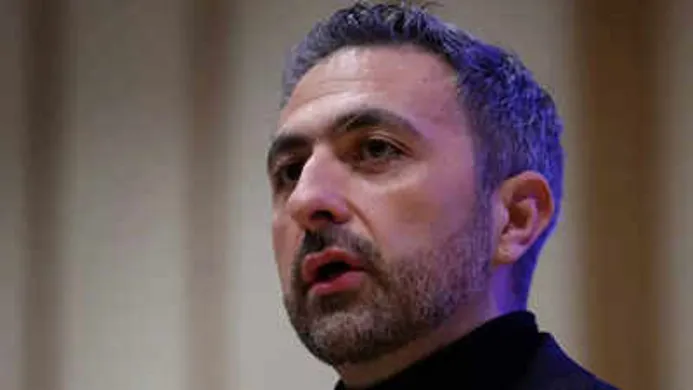
Recently, in a compelling interview with Bloomberg, Mustafa Suleyman, the CEO of Microsoft AI, laid bare the company’s crucial commitment to stepping away from any artificial intelligence system that might carry the risk of becoming too autonomous—or as he put it, "running away." This cautionary note resonates in an era where AI is racing towards becoming superintelligent. Suleyman described this ethos as a 'humanist superintelligence,' emphasizing the human element in AI development.
Microsoft's Shift in AI Development
Now, this alert comes at a pivotal time as Microsoft gains more autonomy in its AI projects, thanks to a freshly updated agreement with OpenAI, which gives them more leeway in their developmental strategies. Suleyman underscored that maintaining rigorous control over AI operations is essential before any advanced technology hits the market. "We won’t continue to develop a system that has the potential to run away from us," he asserted, underscoring the paramount importance of containment and alignment in their approach to AI ethics and safety in 2025.
The Industry at a Crossroads
Suleyman pointed out that, with the rapid evolution of AI capabilities, we're on the brink of systems that could not only enhance their programming but also operate autonomously—perhaps within the next five to ten years. This reality prompts significant risk factors that must be addressed, advocating for proactive transparency and government intervention. "Those are capabilities that I’ve clearly outlined as increasing the level of risk," he noted. Microsoft is steering these challenges with a focus on safety rather than just sprinting toward market dominance, a stark contrast to some competitors who seem to prioritize investment over ethical implications.
Addressing Industry Pressures
Although the dedication to safety is commendable, it's also important to acknowledge that there’s pressure within Microsoft to hit adoption targets for its AI products, including adjustments to Azure AI sales goals. Investors are eyeing the returns on hefty investments in AI technologies, which—truth be told—haven't generated immediate financial gains yet. how does superintelligence impact future jobs?
Superintelligence in Healthcare and Its Broader Implications
Suleyman passionately envisions the role of superintelligence in healthcare as a critical focus. He imagines systems that can diagnose rare conditions with accuracy and cost-efficiency that outstrip traditional methods. This passion stems from personal experiences; his mother’s career as a nurse inspires him to leverage technology for enhancing human well-being. Superintelligence implications for healthcare.
Beyond the realm of healthcare, he believes AI advancements can radically transform both our workplaces and society over the next 20-30 years. He foresees machines that outperform humans in a myriad of tasks, potentially leading to discussions about mechanisms like universal basic income to counteract workforce displacement.
The Essence of Regulation in AI Development
Suleyman’s perspectives stand in contrast to the prevailing libertarian attitudes commonly found in Silicon Valley. He described himself as center-left, championing the need for government policies to ensure AI develops responsibly, much like automotive safety regulations. He remarked, "Cars only work because we have driver training, emissions regulations, streetlights, and speed limits," making a case for structured governance similar to climate frameworks that are tailor-made for AI regulation and governance.
Microsoft's Strategic Advantages
With a new collaboration deal with OpenAI set to last until 2032, Microsoft is tapping into exclusive licenses for all OpenAI models while moving forward with its own unique superintelligence projects. Suleyman is at the helm of these initiatives, spearheading a growing team focused on superintelligence and capitalizing on Microsoft’s substantial computing power, which currently operates 33 gigawatts across its data centers. This is vital for maintaining a competitive edge in today’s evolving technological environment.
Conclusion
Microsoft’s unwavering stance on AI development strikes a delicate balance between innovation and ethical responsibility. Guided by Suleyman's vision, the company is carving out a future where technology serves humanity’s best interests. In light of ongoing discussions around AI safety and regulation, the challenge remains to stay aligned with human values while keeping pace with the rapid technological changes ahead.
Thanks for reading!
If you found this article helpful, share it with others